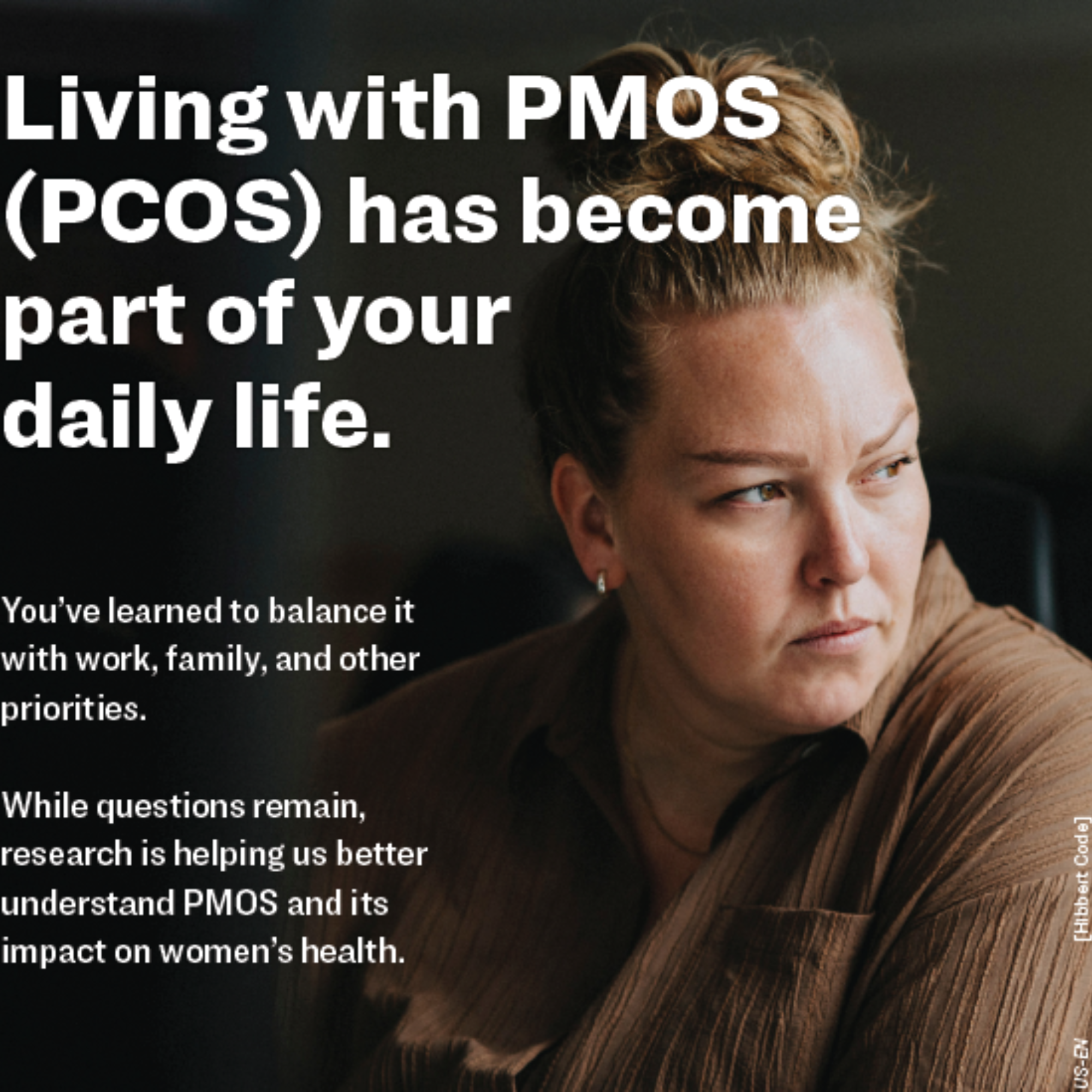
Polyendocrine Metabolic Ovarian Syndrome (PMOS)
Polyendocrine Metabolic Ovarian Syndrome (PMOS)
The PMOS study is a Phase 3, double blind clinical research study on an investigational oral non-peptide GLP-1 in patients with polyendocrine metabolic ovarian syndrome (PMOS) and insulin resistance. The purpose of this study is to learn how the investigational medicine works in the treatment of PMOS.
Study information:
Condition: Polyendocrine Metabolic Ovarian Syndrome (PMOS)
Location: Las Vegas, Nevada
Duration: Up to 54 weeks
Participation: Up to 14 visits
Compensation: Available

Eligibility:
Women age 18 or older
With known or suspected PMOS
Have insulin resistance, HOMA>2.5
Stable self-reported body weight
Must have not given birth in the last 12 months or planning to become pregnant
Other study requirements apply.
Participants may receive:
Compensation
Regular check-ins with a team of doctors and nurses to monitor your health
All study-related care and medications will be provided at no cost
Some participants will receive placebo, which will have no effect on their condition
Get started today.
You are not committed to participate in a study by completing this form. Participation is voluntary, and you may leave at any time if you change your mind.
What is Polyendocrine Metabolic Ovarian Syndrome (PMOS)?
Polyendocrine Metabolic Ovarian Syndrome (PMOS) or formerly known as PCOS, is the most common multisystem endocrine condition in premenopausal women.
Metabolic dysfunction, particularly insulin resistance is considered a major complication of the syndrome. Obesity frequently coexists with PMOS as well which can exacerbate many aspects of the syndrome. Women with PMOS often have greater difficulty achieving and maintaining weight loss than those without PMOS. These metabolic abnormalities can contribute to cardiometabolic disease.
Beyond its metabolic manifestations, PMOS is characterized by reproductive dysfunction and hyperandrogenism. Menstrual dysfunction, typically beginning around puberty, is characterized by infrequent or absent ovulation which can contribute to challenges with fertility.
Together, these metabolic and reproductive manifestations contribute substantially to the clinical impact of PMOS and highlight the importance of therapeutic approaches that address the interconnected drivers of disease.
The PMOS study is sponsored by Eli-Lily & Company and all information is provided by Eli-Lily.